Competition Advancement in Renewable Energy Sources: The Second Hydrogen-driven Motor Race
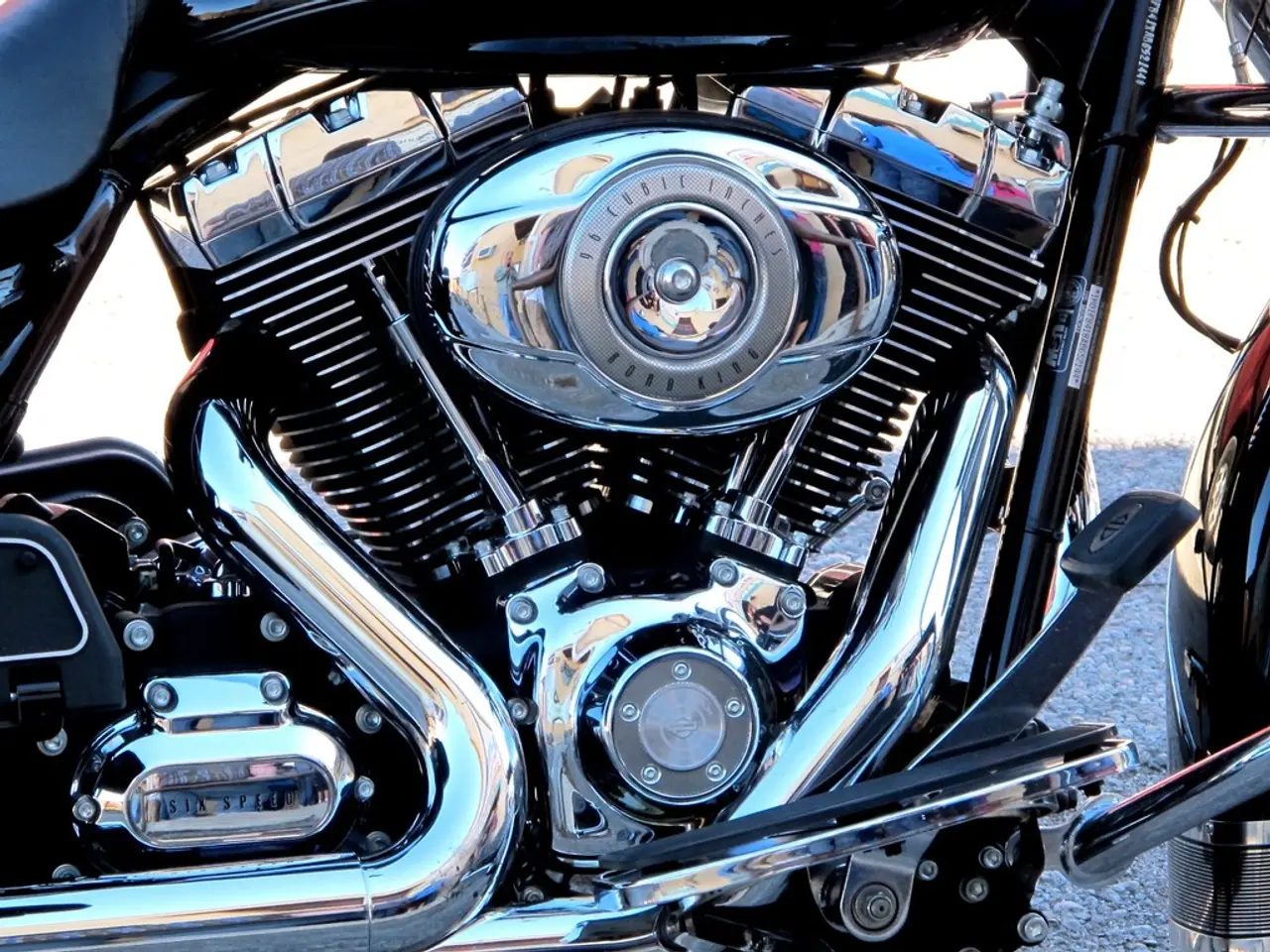
In the fourth round of the 2021 Super Taikyu Series, held on August 1 at the Autopolis circuit in Hita, Oita prefecture, a significant milestone was reached. Toyota's Corolla Sport, powered by a hydrogen-fueled engine, completed the five-hour main race without trouble. This marked the second appearance of the hydrogen engine car in competition, following May's 24-hour race at Fuji Speedway.
The hydrogen for the race was partially produced by Obayashi Corporation, which runs Japan's first hydrogen production plant powered by geothermal energy in the Oita town of Kokonoe. Half of the hydrogen used in this race was produced in Kyushu, Japan.
The hydrogen is made by electrolyzing water in processing equipment powered by electricity obtained from geothermal energy. Obayashi Corporation's plant has a production capacity of 2kg per hour (24Nm3/h), enough to refuel one Mirai every 2.5 to 3 hours.
Toyota Kyushu, the manufacturer of the Corolla Sport, also plays a key role in this sustainable initiative. Toyota Kyushu's Miyata Plant in Miyawaka City, Fukuoka Prefecture, generates electricity for 1,000 households through solar panels on its roof. The plant plans to utilize hydrogen produced by Obayashi Corporation.
President Akio Toyoda of Toyota conveyed the significance of this challenge at a press conference before the race. He emphasized the importance of working together with like-minded partners for carbon neutrality. Five companies have expressed an interest in using the hydrogen, including Toyota Kyushu and hydrogen fueling stations in the Kyushu area.
Mitsubishi Power is involved in the project, supplying hydrogen from geothermal sources at the hydrogen production facility in Kokonoe, Oita. The plant's hydrogen production capacity is set to double, from 1kg per hour (10Nm3/h) to 2kg per hour (24Nm3/h), following an expansion.
Akio also stated that the Japanese government should ensure that the paths towards achieving carbon neutrality are taken in the right order. This collaboration between Toyota, Obayashi Corporation, and Mitsubishi Power is a testament to the strides being made towards a sustainable future in Japan.
In addition to powering the Corolla Sport, the plant's hydrogen is also used for stationary fuel cells used for lighting and the hot water supply at the Miyata Plant. The plant also has 16 FC forklifts, which can run for five hours on a single refuel within five to 10 minutes, using 1.2kg of hydrogen.
This initiative is not just limited to Kyushu. The next race in Suzuka will include another partner, Kawasaki Heavy Industries, for transporting hydrogen from Australia. As the world moves towards a more sustainable future, collaborations such as these are paving the way for a greener racing industry.
Read also:
- Nightly sweat episodes linked to GERD: Crucial insights explained
- Fitbit Versa 4 Experiences Continuous Price Drops on Amazon
- Asthma Diagnosis: Exploring FeNO Tests and Related Treatments
- Unfortunate Financial Disarray for a Family from California After an Expensive Emergency Room Visit with Their Burned Infant