Departure from Lviv
In the heart of Ukraine, the city of Lviv, a renowned scholar named Jacobo Machover finds himself amidst the echoes of history and the whispers of conflict. After a long journey from Krakow, Poland, Machover arrived in Lviv, greeted by the remnants of war's devastation.
The city, once a glorious haven known as the "city of the lions," now bears the scars of conflict. Small groups of maimed people, photos of fallen heroes, and convoys of military equipment are common sights. The war, ever-present, is felt in every moment, in every situation, in every face.
Despite the adversity, Machover found solace in the cultural richness of Lviv. He attended the "Ukrainian Renaissance" conference, where he was captivated by a concert of Tatar music from Crimea. The young musicians, playing string instruments in an old Polish church, performed themes that seemed to have Jewish influences, stirring deep emotions in Machover.
The conference, a celebration of Ukraine's cultural and intellectual renaissance, also served as a platform for resistance. The panel Machover was scheduled to speak on was titled "Resisting Dictators." In his speech, he dedicated his words to removing Che Guevara from his pedestal and expressing solidarity with the brave Ukrainians fighting against remnants of Soviet power.
Throughout his almost week-long stay, Machover visited sites significant to Ukraine's history, including remnants of the Jewish ghetto destroyed during the German invasion and the house of economist Ludwig von Mises. He also learned about Raphael Lemkin, the jurist who coined the term "genocide" and prosecuted Nazi criminals at the Nuremberg tribunal, who hailed from Lviv.
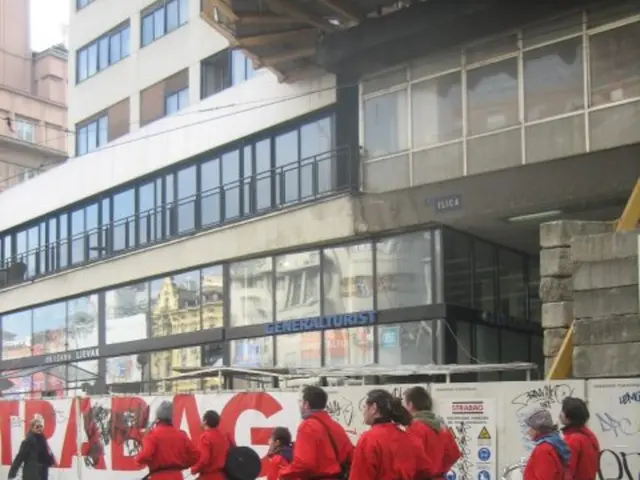
The conference organizers took the attendees on a tour of the city, showcasing its resilience and beauty. In addition to Machover, the conference had attendees from various countries, including a Spanish student named Akilino.
During his time in Lviv, Machover experienced two more alerts, a common occurrence in the city. The shelters, such as the one he sought refuge in, were simple, often long hallways with white walls, protected by small sandbags. Despite the danger, the spirit of the city remained unbroken.
Even amidst the closed faces of many passersby, almost all young girls expressed a desire to leave Ukraine to live in Paris. Yet, the resilience of the Ukrainian people shone through, as they continue to fight for their freedom and rebuild their city.
In the midst of war and adversity, Jacobo Machover found a tale of resistance, solidarity, and cultural richness in Lviv, Ukraine. His journey serves as a testament to the spirit of the city and its people, a beacon of hope in challenging times.
Read also:
- Medical professionals affiliated with the Order of Doctors initiate a hunger strike in support of Gaza
- Commemorating the 200th Day of American Revitalization
- Trump administration boasts about inflation figures as evidence tariffs are justified
- Lukashenko's stance displeased by Serbian President's remarks.