Devastation of Coral Reefs: Unveiling the Impact of Warming Seas
In recent years, marine heatwaves have become a growing concern for scientists and environmentalists alike. A new study published in Nature Climate Change sheds light on the immediate and devastating consequences of these events on our oceans, emphasizing the urgent need for action to protect marine ecosystems from the impacts of climate change.
The research, led by Dan Smale from the University of Western Australia, found marine heatwaves to be the principal cause of problems for many biological processes and organisms, including foundation taxa like corals. The study conducted a meta-analysis on the ecological impacts of eight prominent marine heatwave events, reviewing over 100 scientific research papers.
Marine heatwaves are characterized by an ocean's surface temperature being much warmer than normal. They have intensified due to human-induced climate change, leading to increased greenhouse gas emissions, ocean warming, reduced ocean circulation, and climate change-related alterations in weather patterns.
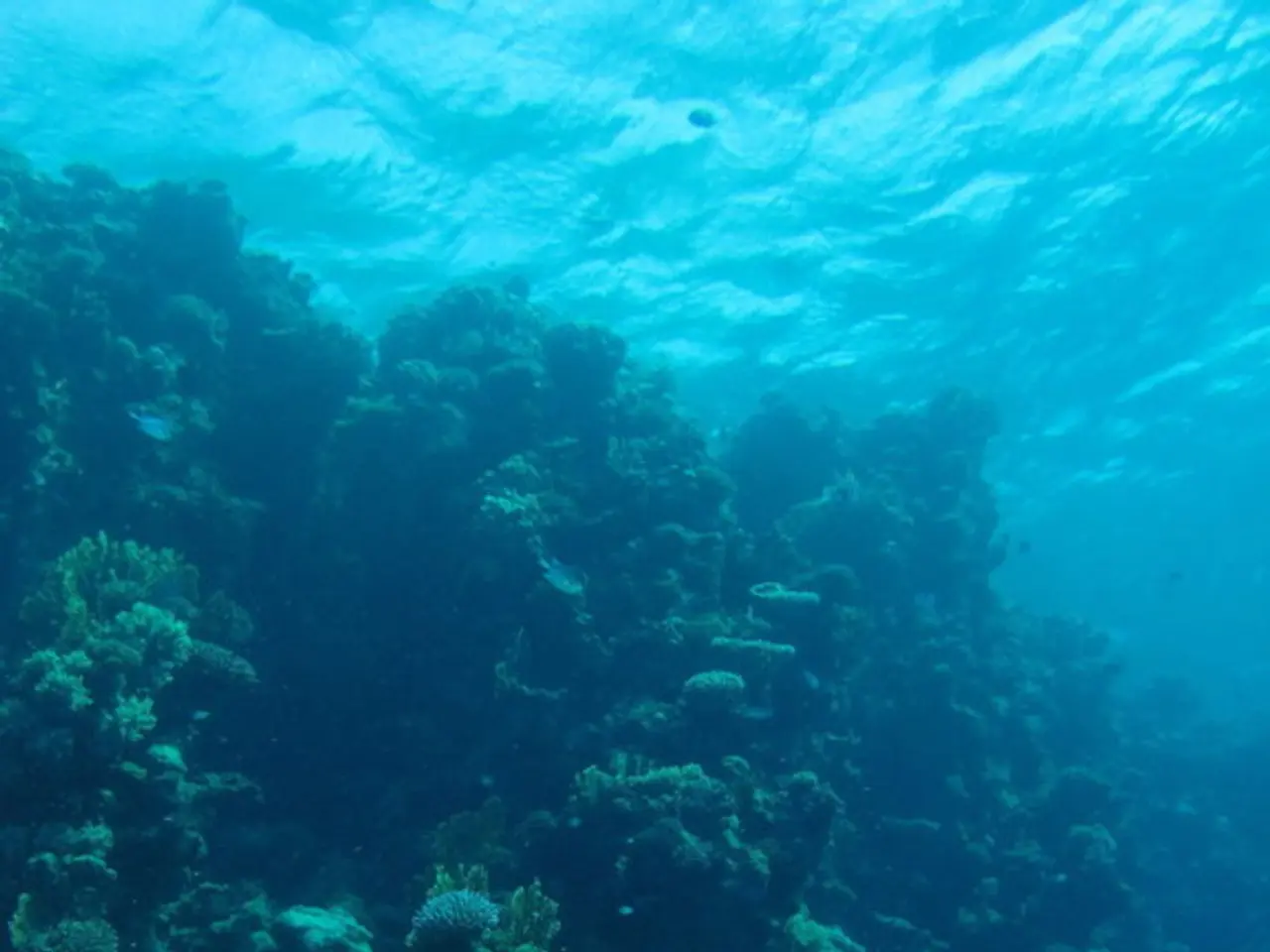
The study found that marine heatwaves are becoming more frequent, more intense, and are lasting longer. All marine taxonomic groups, with the exception of fish and mobile invertebrates, responded negatively to marine heatwaves. Birds and corals were the most adversely affected due to changes in prey availability and widespread bleaching respectively.
Critical ecological services provided by organisms like corals that support underwater ecosystems are being compromised. These organisms play a crucial role in carbon sequestration and nutrient cycling. Overfishing and pollution place additional stress on marine diversity in regions that are already subject to intense marine heatwaves, such as the central-West Atlantic, the North-East Atlantic, and the North-West Pacific.
Several vulnerable regions were identified in the study. The regions with high marine biodiversity that are also vulnerable to marine heatwaves include Australia, the Caribbean Sea, and the mid-Eastern Pacific coastline. The South-West Pacific and mid-West Atlantic regions have high temperature-sensitive populations that are vulnerable to marine heatwaves.
Marine heatwaves can be caused by localized air-sea heat fluxes and large-scale climate drivers such as the El Nino Southern Oscillation (ENSO). Like atmospheric heatwaves, they can have destructive effects on ecosystems and organisms, similar to how atmospheric heatwaves can destroy crops, forests, and animal populations.
The study underscores the urgent need for action to address the impacts of climate change on marine ecosystems. As marine heatwaves continue to intensify, it is essential to reduce greenhouse gas emissions, improve ocean circulation, and mitigate other human activities that contribute to these events. The future of our oceans depends on it.
Read also:
- Nightly sweat episodes linked to GERD: Crucial insights explained
- Antitussives: List of Examples, Functions, Adverse Reactions, and Additional Details
- Asthma Diagnosis: Exploring FeNO Tests and Related Treatments
- Unfortunate Financial Disarray for a Family from California After an Expensive Emergency Room Visit with Their Burned Infant