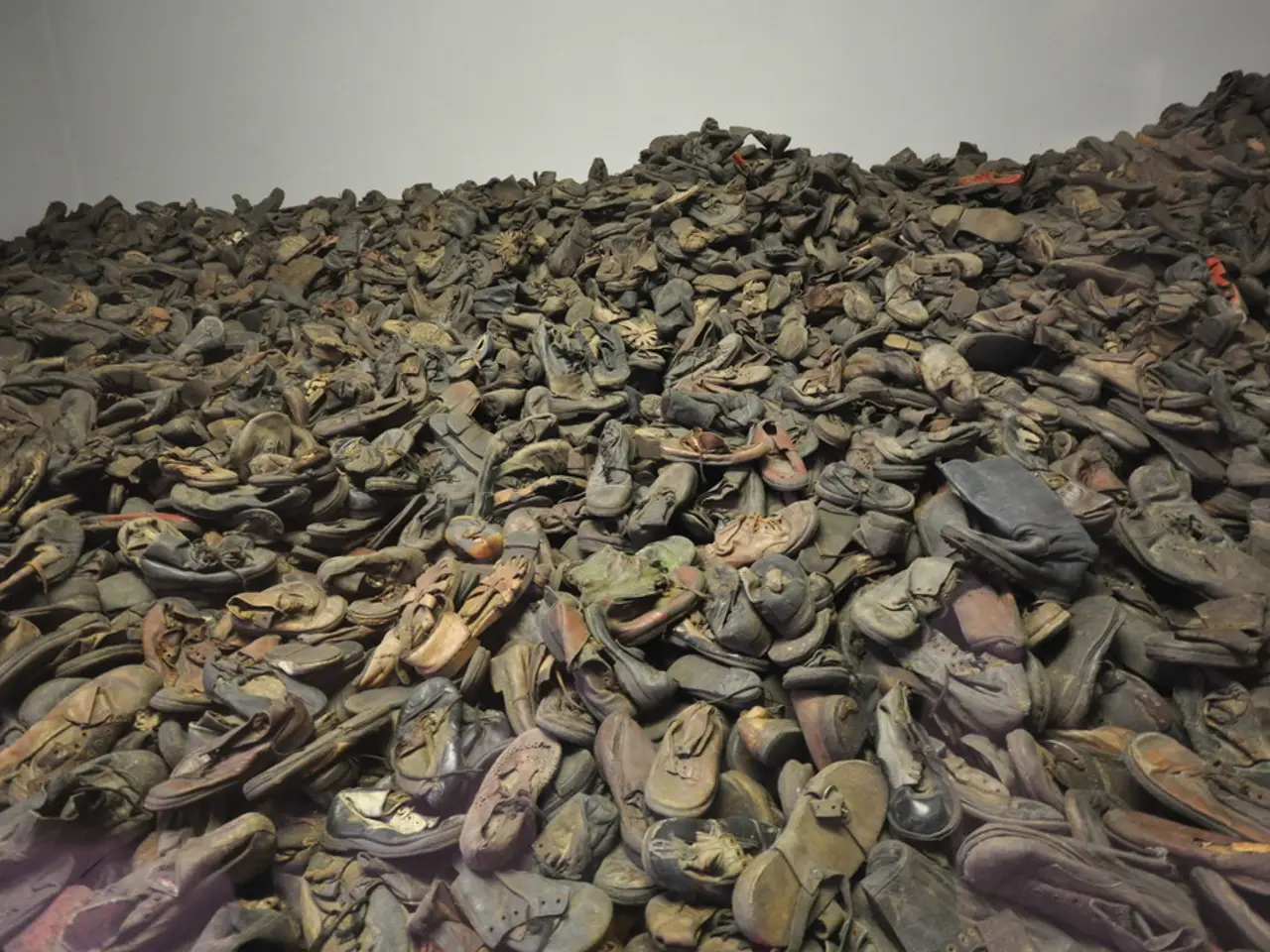
Fund for Global Shoes: Providing footwear to communities worldwide
The World Shoe Fund, a groundbreaking nonprofit organization, is making significant strides in promoting foot health and fighting soil-borne diseases across Africa. Launched by Manny Ohonme in 2023, the Fund operates in 12 countries and has already sold 1.5 million pairs of shoes for humanitarian purposes.
In response to a pause from USAID, the World Shoe Fund has shifted its focus towards forming partnerships with local governments. This strategic move is aimed at creating a more sustainable and impactful presence in the communities it serves.
The primary goal of the World Shoe Fund is to combat soil-borne diseases, which are a major contributor to the chronic cycle of poverty in many African countries. By promoting positive hygiene practices and encouraging shoe-wearing, the Fund aims to prevent diseases such as soil-transmitted helminths, podoconiosis, jiggers, and other pathogens that can enter through the feet.
The World Shoe Fund's efforts have shown promising results. A randomized control trial conducted by the organization revealed a 34% decrease in worm-infected diseases among program participants. Moreover, the trial also showed an increase in school attendance by 15%.
In line with global health initiatives, the World Shoe Fund aligns with the WHO Roadmap 2023, the UN Sustainable Goals, and the UNICEF WASH model in its WASH&WEAR distribution model. The organization is also involved in promoting hygiene, vaccines, tuberculosis testing, prenatal, malaria, and HIV screenings for mothers, through partnerships with global health agencies like USAID, the Gates Foundation, and CIFF.
To address the fragmented African market, the World Shoe Fund is co-creating and working with people on the ground in Africa for design and distribution models. This approach ensures that the solutions developed are tailored to the unique needs and culture of each community.
The World Shoe Fund is not just a charity; it operates as a business. This business model makes it less reliant on donations and more sustainable for long-term impact. The organization is currently working on creating business-to-consumer and business-to-business products in Africa.
In a move towards self-sufficiency, the World Shoe Fund has launched a retail brand of its shoe with multiple colours. The shoes will be sold in Ghana and the United States. The regional factory in Ghana, which has the capacity to manufacture five million shoes per year, is a significant step towards this goal.
The World Shoe Fund has also extended its reach to providing sanitary pads to girls in Sierra Leone. Through a distribution, 10,000 girls received one year's worth of sanitary pads.
Looking ahead, the World Shoe Fund expects to have two additional regional factories in Central and Southern Africa in the next few years. However, the specific countries that will be represented by these factories have not been disclosed yet.
In conclusion, the World Shoe Fund is making a significant impact in the fight against soil-borne diseases and the break of the chronic cycle of poverty in Africa. Through its innovative business model and strategic partnerships, the organization is poised to continue making a difference in the lives of many for years to come.
Read also:
- Nightly sweat episodes linked to GERD: Crucial insights explained
- Antitussives: List of Examples, Functions, Adverse Reactions, and Additional Details
- Asthma Diagnosis: Exploring FeNO Tests and Related Treatments
- Unfortunate Financial Disarray for a Family from California After an Expensive Emergency Room Visit with Their Burned Infant