
German Measles (Rubella) Among Infants and Children
Rubella, also known as German measles, is a viral infection that primarily affects the lymph nodes and skin. Unlike common misconceptions, it is not the same as measles. This disease, while usually mild, can be contagious and pose significant risks, especially for pregnant women and unvaccinated children.
The transmission of rubella is problematic because the virus can spread to healthy people even before the infected person knows they are sick. It is airborne and can easily infect a child if they come into contact with the virus. Rubella can be transmitted by pregnant women to the growing foetus through the blood, which can lead to congenital rubella syndrome. This condition, if contracted in the first trimester, has a 90% chance of occurring and can cause extreme mental and physical impairment, slow growth, blindness, deafness, organ developmental conditions, and other complications.
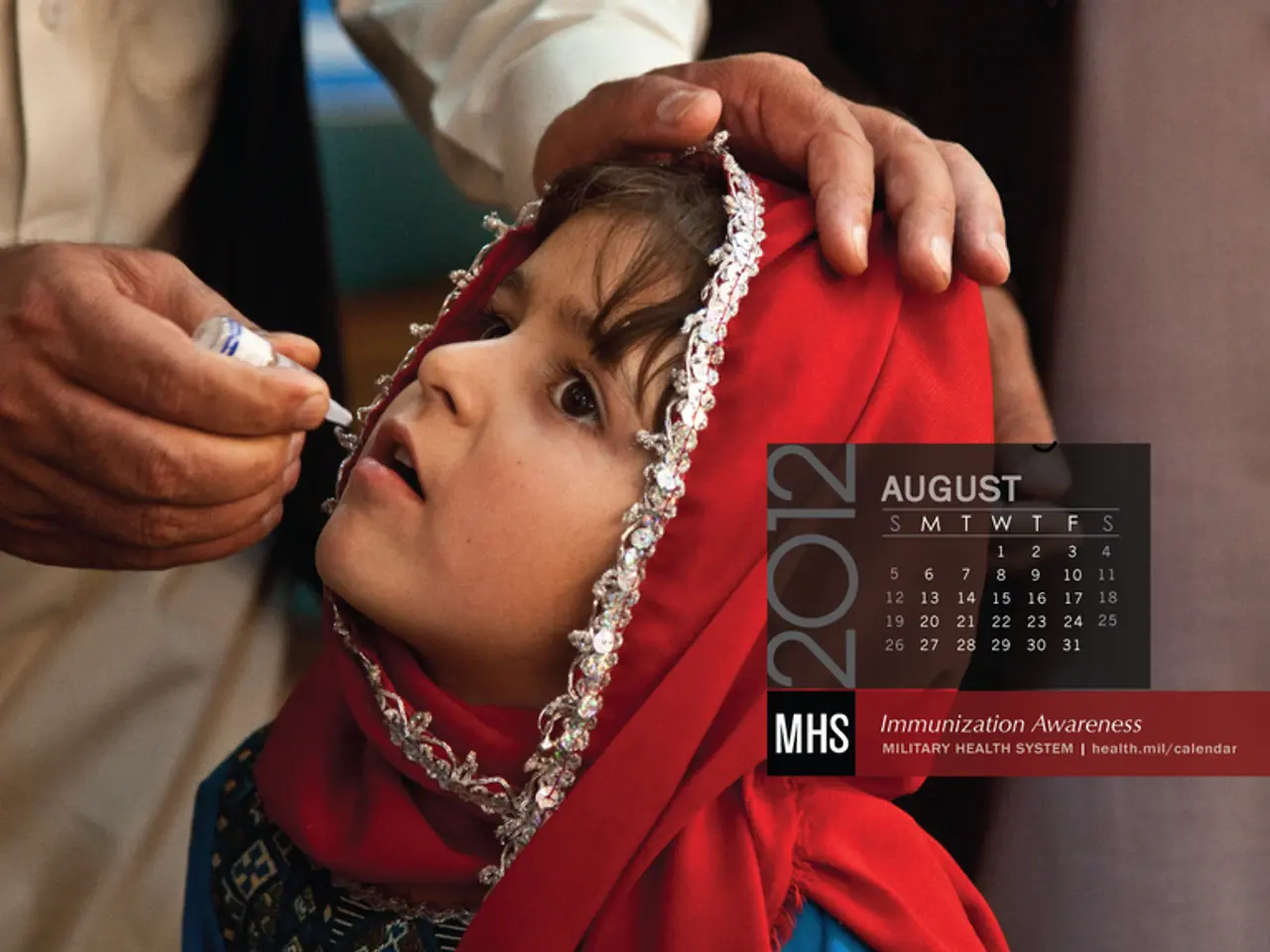
The only way to prevent rubella infection is through vaccination. The recommended vaccination for children against rubella is the combined measles-mumps-rubella (MMR) vaccine, often given as MMR or MMRV (including varicella). The two doses are typically administered at 11 months and 15 months of age. Pregnant women who have not received the MMR vaccine are strongly recommended to get immunised at least one month before even trying to conceive.
The MMR vaccine has been around for the past fifty years and is the only way to prevent rubella infection. If a child does contract rubella, symptoms may include enlarged lymph nodes, increased body temperature, cold-like symptoms, headaches, eye inflammation, a skin rash, blocked or running nose, and joint pain or muscle aches. The rubella rash in babies usually lasts for three days, but swollen lymph nodes may take a week to return to normal. Joint or muscle aches can persist for longer than two weeks.
If experiencing continuous headaches, painful neck, or ear pain, consult a doctor immediately. While rubella resolves on its own and no medication is required, if the child is uncomfortable, paracetamol and ibuprofen in liquid form can be administered for relief. Aspirin should not be given as it can stimulate the development of Reye syndrome.
It is crucial to note that there is no link between the MMR vaccine and autism. If you suspect your child has contracted rubella, a diagnosis is done through a physical exam and an antibody test that identifies the presence of the virus in the blood. Samples from the child's mouth or nose may also be taken for testing.
In conclusion, rubella is a viral infection that can have serious consequences, especially for pregnant women and unvaccinated children. The MMR vaccine is the only way to prevent rubella infection and is recommended for children and pregnant women who have not received it. If you suspect your child has contracted rubella, seek medical attention immediately.
Read also:
- Nightly sweat episodes linked to GERD: Crucial insights explained
- Antitussives: List of Examples, Functions, Adverse Reactions, and Additional Details
- Asthma Diagnosis: Exploring FeNO Tests and Related Treatments
- Unfortunate Financial Disarray for a Family from California After an Expensive Emergency Room Visit with Their Burned Infant







%20Among%20Infants%20and%20Children)