
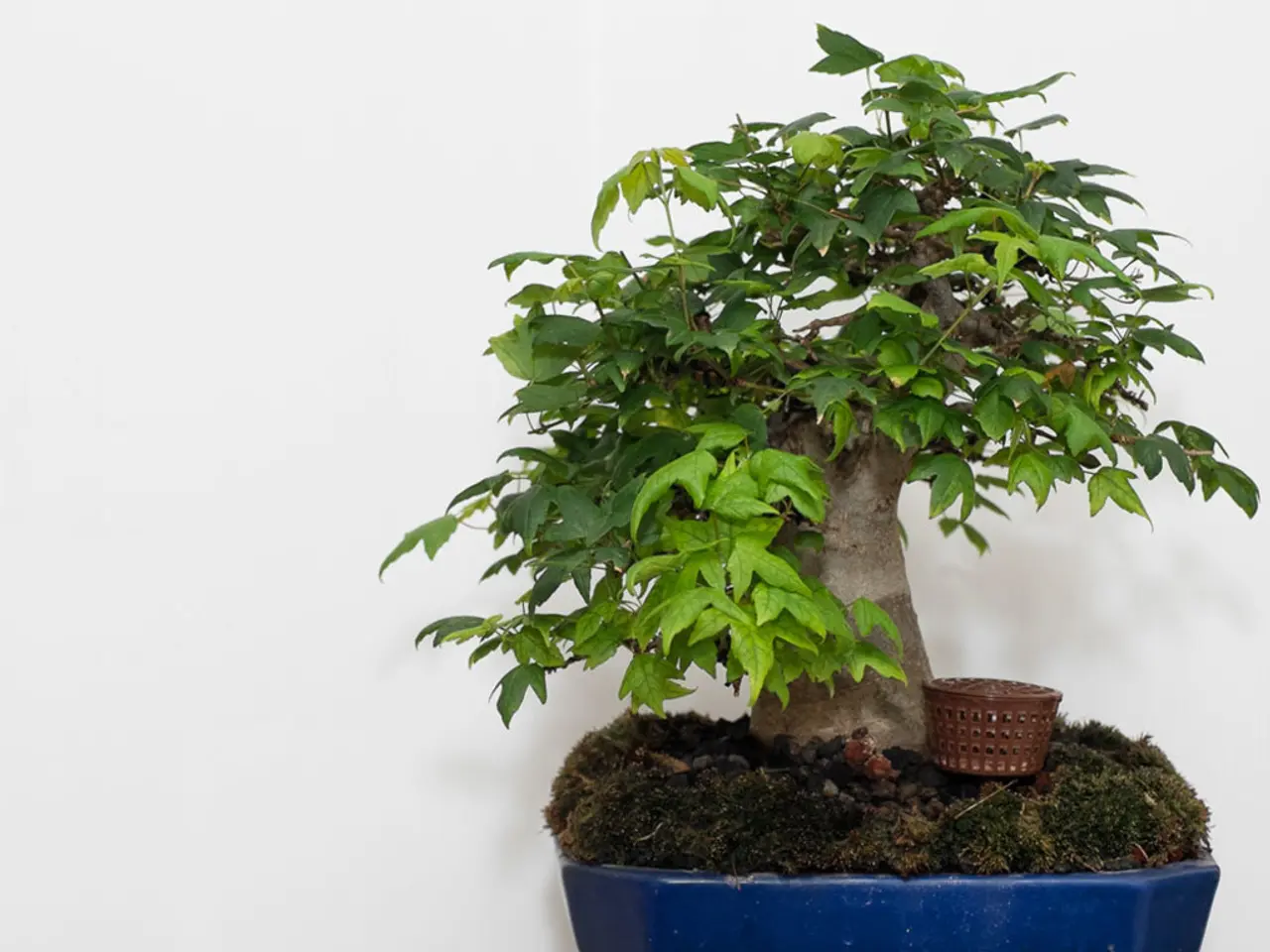
Home-brewed Fungicide Solutions for Thriving Bonsai Trees: Self-made Alternatives Revealed
In the world of bonsai tree care, maintaining a healthy and disease-free environment is essential. Here's a simple guide to creating effective, natural fungicides using common household ingredients like baking soda, milk, and neem oil.
- Baking Soda Fungicide
Mix approximately 4 teaspoons of baking soda in 1 gallon of water to create a fungicide spray. This solution can help prevent fungal infections like rust on plants. For improved leaf coverage and adherence, consider adding a light horticultural oil or a few drops of mild liquid soap.
- Milk Fungicide
Combine 1 part organic whole or raw milk with 2–3 parts water. Optionally, add a few drops of organic liquid soap (non-detergent) to increase effectiveness. Milk sprays are effective in controlling fungal diseases such as powdery mildew and can be safely used on bonsai.
- Neem Oil Fungicide
Neem oil, extracted from the neem tree, is a natural pesticide and fungicide. A typical DIY recipe is to mix 1 teaspoon of neem oil with 1 liter of water, plus a few drops of mild liquid soap as an emulsifier. Spray the bonsai leaves thoroughly to combat fungal infections. Neem oil also deters pests.
When applying these solutions, ensure they are sprayed evenly on the bonsai foliage, particularly the undersides of leaves where fungi often begin. Repeat applications every 7–14 days or after rain for best results.
It's important to note that baking soda alters the pH on leaf surfaces, making it less hospitable for fungal growth. Milk contains natural antifungal proteins and works best when fresh and diluted properly. Neem oil is effective against a broad spectrum of fungi and pests, but it is crucial to use the correct dilution to avoid leaf burn.
Always test any spray on a small area before widespread use to ensure your bonsai species tolerates it. Homemade fungicides should not be used on newly planted bonsai trees, as they may cause stress to the tree.
These recipes, when combined, can provide effective, safe, and easy-to-make fungicides for bonsai tree care. However, no single recipe is universally "best," and the efficacy of these solutions may vary depending on the type and severity of the infection, as well as the specific ingredients and preparation methods used.
In addition to these solutions, maintaining good air circulation, promoting healthy root development with a cinnamon and water paste, and considering the potential impact on beneficial insects within the bonsai ecosystem are essential aspects of bonsai care. Properly maintained bonsai environments form a robust foundation for healthy tree growth and fungal disease prevention.
- To enhance your knowledge in various fields, consider delving into books about lifestyle, fashion-and-beauty, food-and-drink, home-and-garden, pets, travel, casino-and-gambling, entertainment, sports, and weather.
- Besides fungicides, promoting good air circulation is another crucial aspect of maintaining a healthy bonsai environment.
- In the world of bonsai, a healthy tree is not just about pest control and fungicide use, but also about fostering a balanced bonsai ecosystem by nurturing beneficial insects.
- A visit to different countries or cities for travel exposes you to new customs, fashion trends, and cuisines.
- After a tiring day at the casino or cheering for your favorite sports team, nothing beats retreating to your cozy home for relaxation.




