
Mining Expansion by BHP: Sustainable Extraction to Address Growing Global Copper Shortage
In a significant move for the global mining industry, BHP has reported a record-breaking copper production of 2,017 thousand tonnes in the fiscal year 2025 (FY25), marking three years of consecutive growth and a 28% increase since FY22.
The Escondida mine in Chile, the world’s largest copper operation, saw its highest production level in 17 years, producing about 1.3 million tonnes of copper. BHP's Australia copper operations, including Olympic Dam and Oak Dam, also set production records.
For the upcoming fiscal year 2026, BHP forecasts copper output to be between 1.8 and 2.0 million tonnes, anticipating slightly lower grades in Chile but maintaining overall robust operations.
Green Strategies and Sustainable Practices
BHP is not only focusing on production but also on sustainability. The company emphasizes sustainable mining practices, including advanced technologies such as ore sorting, optimized concentrator throughput, enhanced water management, and precision blasting to improve efficiency and reduce environmental impact.
BHP is investing in clean energy, recycling initiatives, and operational innovations aligned with supporting the global energy transition and a lower-carbon future. Recycled copper is expected to play an increasing role in meeting future demand.
Long-Term Outlook
The demand for copper is projected to increase significantly in the coming years. Global copper demand is expected to grow by about 50-70% by 2035 and rise roughly 70% by 2050, reaching over 50 million tonnes annually. Drivers for this growth include renewable energy infrastructure, electric vehicles, digitization, urbanization, and data centers.
BHP’s diverse portfolio across Chile, Australia, and Peru, along with its focus on sustainable practices, positions it well to meet rising demand despite challenges like economic volatility and cost pressures.
Operational Improvements and Partnerships
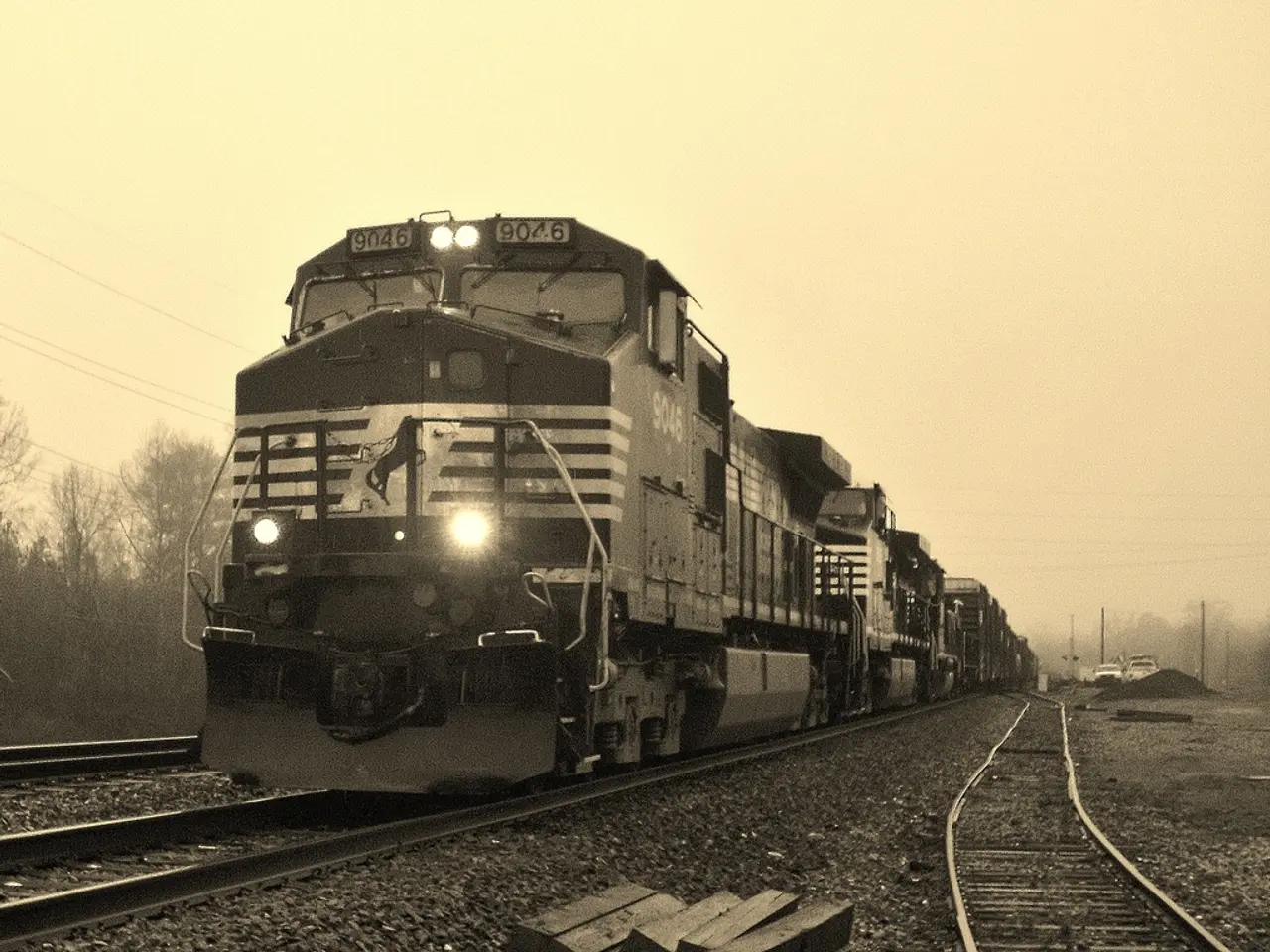
BHP has also made strides in operational improvements and partnerships. Total iron ore output hit an all-time high of 263 million tonnes in FY25. BHP partnered with Australian freight operator Aurizon for a logistics overhaul in Copper South Australia, worth A$1.5 billion over ten years. This shift will move copper concentrate and cathode transport from road to rail.
Moreover, BHP's freight operation in Copper South Australia will now be handled by a local transport partner and will move by rail between Pimba and Port Adelaide. This change aims to improve road safety, reduce congestion, and significantly cut emissions. The shift is expected to remove over 11,000 truck movements from South Australian roads each year, reducing around 13 million kilometers of road travel.
Emissions Reduction Targets
BHP aims to reduce Scope 1 and 2 greenhouse gas (GHG) emissions by at least 30% by 2030 (from a 2020 baseline) and reach net zero by 2050. The company has already made significant strides, reducing its operational emissions by 32% as of 2024, lowering them to 9.2 million tonnes of CO2-equivalent.
BHP has also signed contracts with COSCO Shipping Bulk Co., Ltd. for two ammonia dual-fuel Newcastlemax bulk carriers, aiming for lower greenhouse gas emissions.
Stock Analysis
Analyst sentiment for BHP's stock is cautious for the next 12 months, with the stock generally rated a "hold." Most price targets are near current levels, suggesting limited short-term upside.
Despite this, BHP's operational excellence combined with its sustainability focus underscores its preparedness to supply copper critical to the global energy transition and digital economy. The company's focus on green strategies, sustainable practices, and partnerships positions it well for the future, even as it navigates the challenges of meeting rising demand and reducing emissions.
[1] BHP Group Annual Report 2025 [2] BHP Group Sustainability Report 2025 [3] BHP Group Minerals Australia Operations 2025
- BHP is not only increasing its copper production, but also investing in clean energy, recycling initiatives, and operational innovations to support the global energy transition and a lower-carbon future.
- In the realm of education-and-self-development, BHP's focus on sustainable practices, alongside its partnerships and operational improvements, positions it well for the future, ensuring it can meet rising demand for clean energy.
- Despite the cautious analyst sentiment for BHP's stock, the company's commitment to reducing greenhouse gas emissions by at least 30% by 2030, reaching net zero by 2050, and its shift towards cleaner transportation methods, show a dedication to general-news and sports issues that extend beyond the mining industry.




