
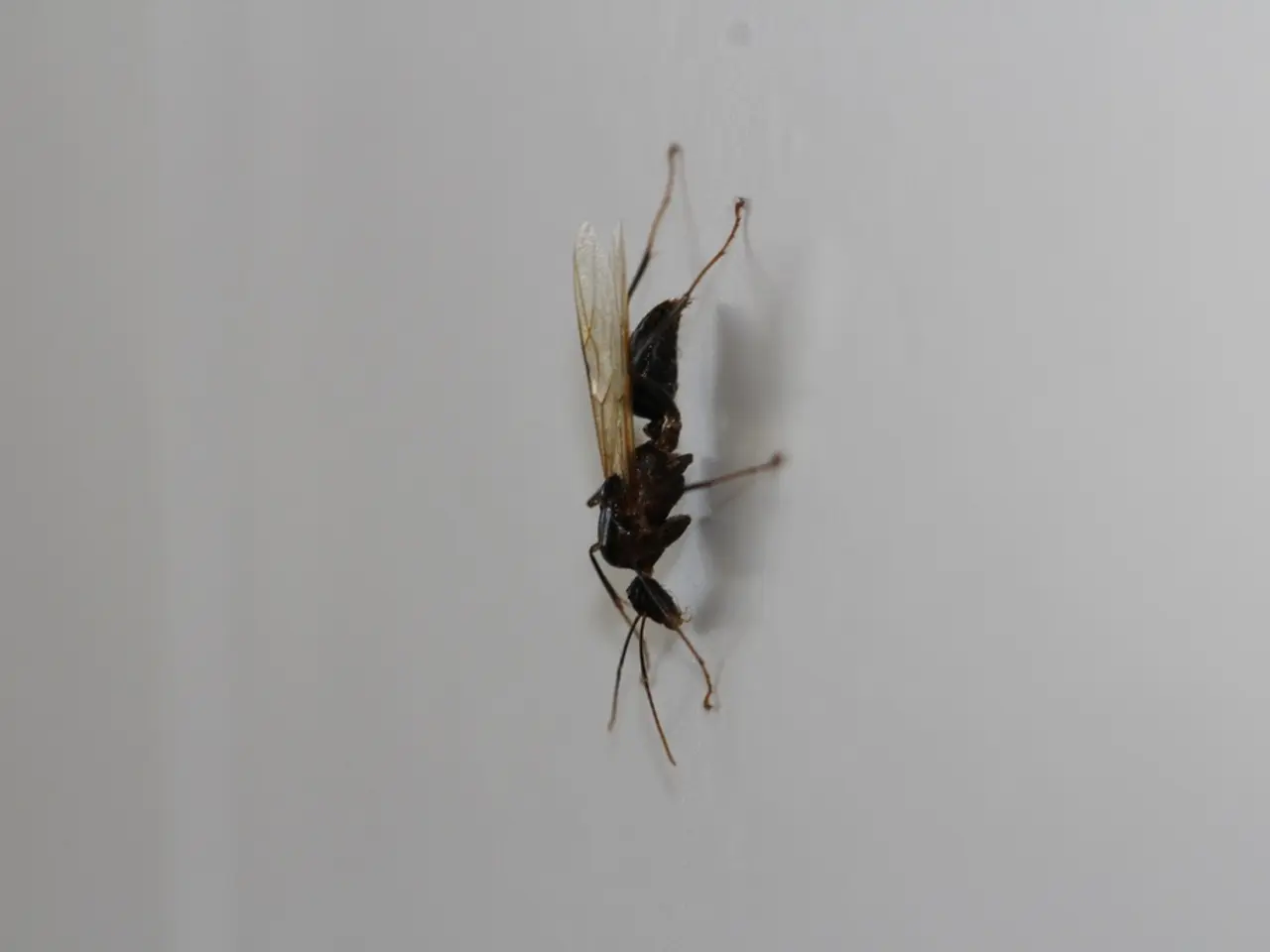
Nuclear facility unearths radioactive wasp colony, dating back to the Cold War bomb production era in the USA
Radioactive Wasp Nest Discovered at Savannah River Site
A radioactive wasp nest was recently discovered at the Savannah River Site in South Carolina, according to a one-page report published on July 22. The nest, found near storage tanks for nuclear waste, exhibited radiation levels ten times higher than federal limits.
The site, originally opened in the early 1950s, was once used for making key parts for nuclear bombs in the United States during the beginning of the Cold War. It functioned in this manner until the end of the Cold War, and then turned to environmental cleanup, nuclear materials management, and research and development activities in 1992.
The high radiation levels in the wasp nest are attributed to "onsite legacy radioactive contamination," meaning residual radiation left over from the site's past operations. There is no indication of a new leak from the nearby liquid nuclear waste tanks, and the contamination is considered an isolated manifestation of legacy contamination rather than an active contamination event.
The nest was located on a post near the storage tanks and was removed and disposed of as radioactive waste. Officials stated that the incident does not indicate any failure in containment or control of radioactive materials and does not affect ongoing site operations. No further field action was required, and the site's operations continue without impact from this discovery.
However, local watchdog groups have criticized the official reports for lacking detail about the contamination source and the wasp species, which could affect understanding of how the wasps encountered residual radiation and whether other contaminated nests might exist nearby.
It is worth noting that the Savannah River Site stores roughly 34 million gallons of liquid nuclear waste in around 43 underground tanks. After spraying the nest with insecticides, it was bagged as radioactive waste, with no detected contamination of the surrounding soil or environment.
In conclusion, the radioactive wasp nest found at the Savannah River Site was caused by "onsite legacy radioactive contamination," and there is no need for alarm or further action. The incident appears to be an isolated manifestation of legacy contamination rather than an active contamination event affecting the Savannah River Site's current operations.
References
[1] Savannah River Site News Release [2] Department of Energy Press Release [3] Local News Article
- The discovery of a radioactive wasp nest at the Savannah River Site raises questions about the site's past and current practices in managing radioactive materials.
- The incident serves as a reminder of the potential dangers that arise from the accumulation of legacy radioactive contamination in aerospace and science-related settings.
- The high radiation levels in the wasp nest highlight the importance of ongoing education and self-development in understanding environmental science and the risks associated with it.
- Despite the incident, the continued operations at the Savannah River Site seem to be unaffected, a testament to the advancements in technology and innovation in the field of science.
- While the removal of the radioactive wasp nest might offer temporary relief, the lingering question about other contaminated nests nearby points to the need for improved safety measures in casino-and-gambling and entertainment industries.
- The incident at the Savannah River Site is a general-news story that underscores the importance of strict regulations and transparency in reporting for the protection of public health.
- For sports fans and lifestyle enthusiasts, the story of the radioactive wasp nest serves as a fascinating piece of trivia, offering insights into the complexities of science and its far-reaching consequences.




