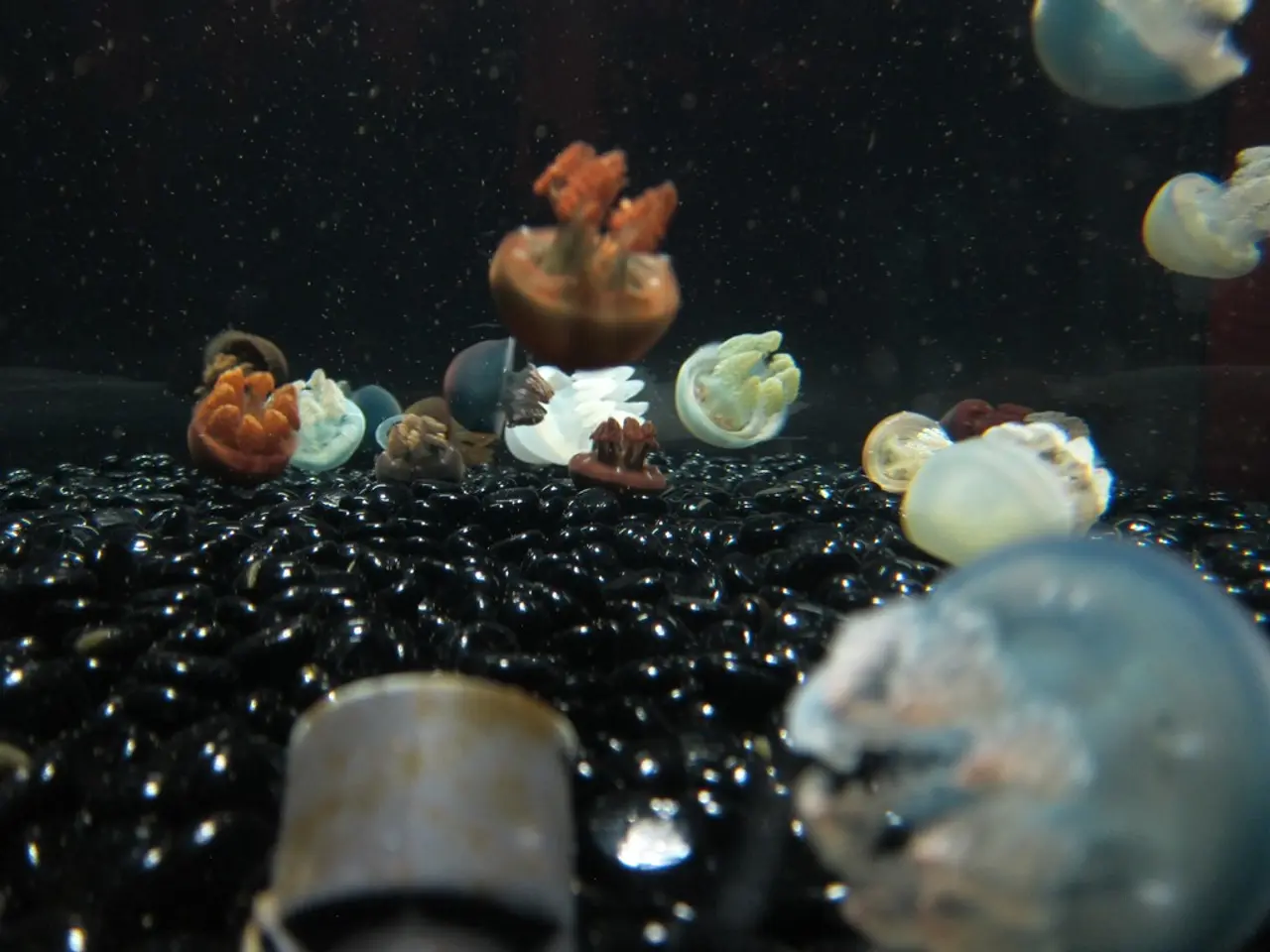
Portuguese caravels encroach upon the shores of the Cantabrian Sea
The warm waters of the Cantabrian Sea are providing a perfect environment for the proliferation of Portuguese Man o' Wars, a siphonophore, not a jellyfish, that resembles a sail and moves with the currents and winds.
These fascinating organisms, composed of three polyps with numerous tentacles used to capture prey, pose a serious risk to bathers and practitioners of water sports. If sighted on the beach, it is important to keep a safe distance and notify the authorities. Even remnants of tentacles on the shore can have irritating effects, so it's best to avoid entering the water.
Biologist Elena Mauriño explains that the warm temperatures in the Cantabrian Sea are favouring the proliferation of Portuguese Man o' Wars. The high temperatures and human activities such as overfishing and the discharge of contaminants are contributing to their increased presence.
The venom of Portuguese Man o' Wars is more dangerous, more irritating, and capable of causing a more intense burn compared to a typical jellyfish. If contact occurs, do not scratch or rub the affected area, but wash it with seawater, avoiding the use of freshwater, ammonia, urine, or vinegar.
Special care should be taken with Portuguese Man o' Wars, avoid touching them, and do not swim if any are seen. It is advisable to swim away and get out of the water, and not to bathe in the area for the following days due to the release of tentacle fragments.
The authorities recommend avoiding contact with Portuguese Man o' Wars and emphasize the importance of not swimming in areas where they have been sighted. Citizen science applications like MedusApp have been disseminated to report sightings and stings of jellyfish, allowing a better understanding of their distribution and survival in the seas.
Portuguese Man o' Wars are important in the ecology and balance of marine ecosystems due to their role in regulating the food chain, serving as food for other large predators, and feeding on plankton. However, their presence on Spanish beaches during the summer, particularly in the Cantabrian Sea, is a cause for concern.
The "fried egg" (Cotylorhiza tuberculata), the common (Aurelia aurita), and the sea nettle (Rhizostoma pulmo) are other types of jellyfish whose number has increased in recent years, but they do not present a greater danger because they do not have the capacity to pierce the skin.
It is important to be attentive to the presence of Portuguese Man o' Wars, as their touch could be fatal for people with a depressed immune system, heart problems, and/or allergies. The progressive warming of the waters is favouring the displacement of Portuguese Man o' Wars towards more northern latitudes, and they have been seen on the beaches of San Sebastián and could appear along the entire Cantabrian coast.
So, when enjoying the beaches of the Cantabrian Sea this summer, keep an eye out for these fascinating but potentially dangerous creatures. Remember to stay safe and enjoy the beautiful Spanish coastline responsibly.
Read also:
- Nightly sweat episodes linked to GERD: Crucial insights explained
- Antitussives: List of Examples, Functions, Adverse Reactions, and Additional Details
- Asthma Diagnosis: Exploring FeNO Tests and Related Treatments
- Unfortunate Financial Disarray for a Family from California After an Expensive Emergency Room Visit with Their Burned Infant