
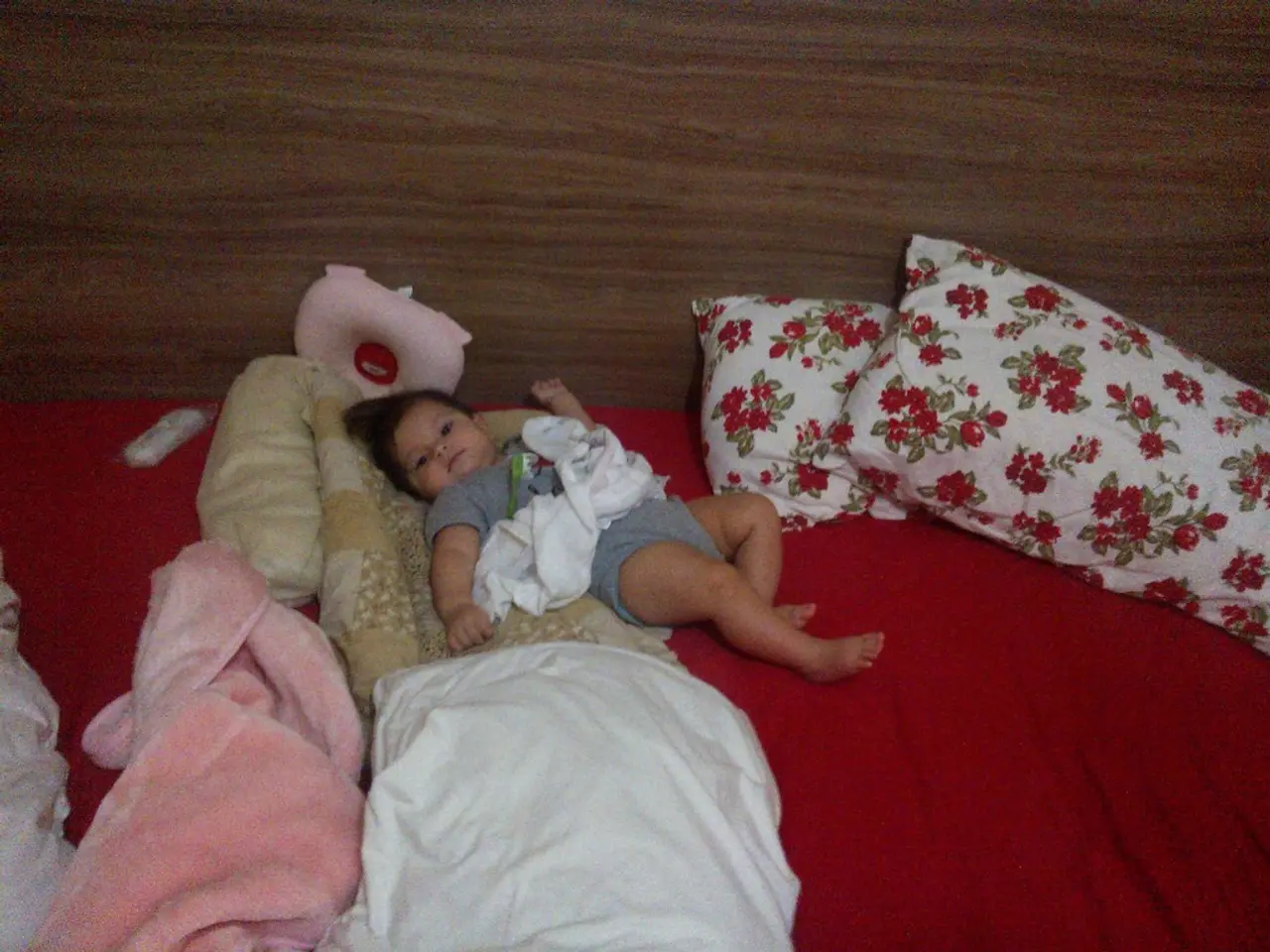
Safe Cribs for Homes in Nigeria: Ensuring Infant Safety and Comfort
In Nigerian homes, creating a safe and secure environment for infants is of utmost importance. One essential piece of furniture that plays a vital role in this is the baby crib. This article offers a comprehensive guide on choosing a safe baby crib, based on internationally recognized safety practices and general advice from reputable sources.
Key Considerations for Choosing a Safe Baby Crib
When selecting a baby crib, there are several factors to consider to ensure the safety and well-being of your little one. Here are some essential aspects to keep in mind:
- Sturdy Construction: Look for cribs made from sturdy hardwood materials, reinforced fasteners, and smooth, rounded edges to ensure the crib can withstand the weight and movement of a growing baby.
- Non-Toxic Materials: Opt for cribs with non-toxic, hypoallergenic finishes to avoid allergies and irritation.
- Proper Spacing Between Slats: Ensure that the slats are close enough to prevent a baby's head from getting stuck, but far enough apart to allow for adequate airflow.
- Adjustable Mattress Height: This feature allows you to lower the mattress as your baby grows, reducing the risk of falls.
- Avoid Drop-Side Cribs: These have been linked to numerous incidents of infant entrapment and falls, so it's best to avoid them.
- Safety Certifications: Seek cribs with globally recognized safety certifications, such as the CPSC label or EN 716.
- Design: While safety is paramount, consider the design of the crib to ensure it complements the overall aesthetic of the room.
- Safety Rails and Locking Mechanisms: High safety rails with secure locking mechanisms are crucial to prevent falls and tipping.
- Regular Inspections: Regularly inspect the crib and nursery setup for any loose parts or potential hazards and adapt the sleeping environment as the baby grows.
- Following Safe Sleep Guidelines: Adhering to the American Academy of Pediatrics (AAP) safe sleep guidelines is advisable. These include placing babies on their backs to sleep and maintaining a clear crib free of loose bedding and toys.
In daycare or institutional settings, spacing between cribs and the use of non-toxic materials are crucial, as is maintaining clear sightlines for supervision.
Finding a Safe Crib in Nigeria
While Nigeria may not have a dedicated national crib safety standard publicly documented, adherence to internationally recognized crib safety guidelines—including firm mattresses, secure rails, non-toxic materials, no crib bumpers, and regular safety inspections—is recommended to ensure infant safety in Nigeria.
When purchasing a crib, it is advisable to look for products certified to international standards (such as ASTM or CPSC standards from the US or EN standards from the EU). Consulting with local pediatricians or child safety experts can also help ensure compliance with relevant safety practices suitable to the Nigerian context.
Other Considerations
- Space: Ensure the crib fits comfortably without creating cramped conditions, and take into account the available space in your nursery when selecting the size of the crib.
- Second-Hand Cribs: If considering a second-hand crib, inspect it thoroughly to confirm that all safety features are intact, and there are no recalls on the model. Ensure the crib hasn't undergone any structural damage that could compromise its safety.
- Brand Reputation: Opting for a well-established brand can give you confidence in the quality of the crib. Reading reviews from other parents can provide valuable insights into the durability and safety of a particular crib model.
- Long-Term Investment: Consider convertible cribs that can transform into a toddler bed or daybed as your child grows, making it a practical long-term investment.
- Budget and Quality: While budget considerations are important, prioritize safety over cost by investing in a crib that meets all safety standards and is built to last.
- SON Mark: Look for the SON mark on the crib to ensure compliance with Nigerian safety standards.
- Meeting Safety Standards: Meeting safety standards reduces the risk of accidents such as entrapment or falls.
Investing in a reliable crib is essential to prevent accidents and promote healthy sleep patterns for babies. By carefully considering the factors outlined in this guide, parents and caregivers in Nigeria can find a safe and suitable baby crib for their homes.
- In Nigerian homes, parenting involves creating a safe and secure environment for infants, with the baby crib being a crucial piece of furniture.
- When choosing a baby crib, it's vital to prioritize sturdy construction and non-toxic materials for the well-being of the child.
- Proper spacing between slats in the crib ensures safety while allowing for adequate airflow.
- An adjustable mattress height can reduce the risk of falls as babies grow.
- Drop-side cribs, associated with numerous infant entrapment accidents, should be avoided.
- Cribs should bear safety certifications like the CPSC label or EN 716 for international recognition.
- While safety is essential, also consider the design to match the room's aesthetic.
- High safety rails with secure locking mechanisms are vital to prevent falls and tipping.
- Regular inspections of the crib and nursery setup help adapt the sleeping environment as the baby grows.
- Adhering to the American Academy of Pediatrics (AAP) safe sleep guidelines, such as placing babies on their backs to sleep and maintaining a clear crib, promotes safety.
- For daycare or institutional settings, spacing between cribs, non-toxic materials, and maintaining clear sightlines for supervision are crucial. In addition, considering factors such as space, brand reputation, second-hand crib inspections, long-term investment, budget and quality, SON mark, and meeting safety standards can help parents and caregivers find a safe and suitable baby crib in Nigeria.




