
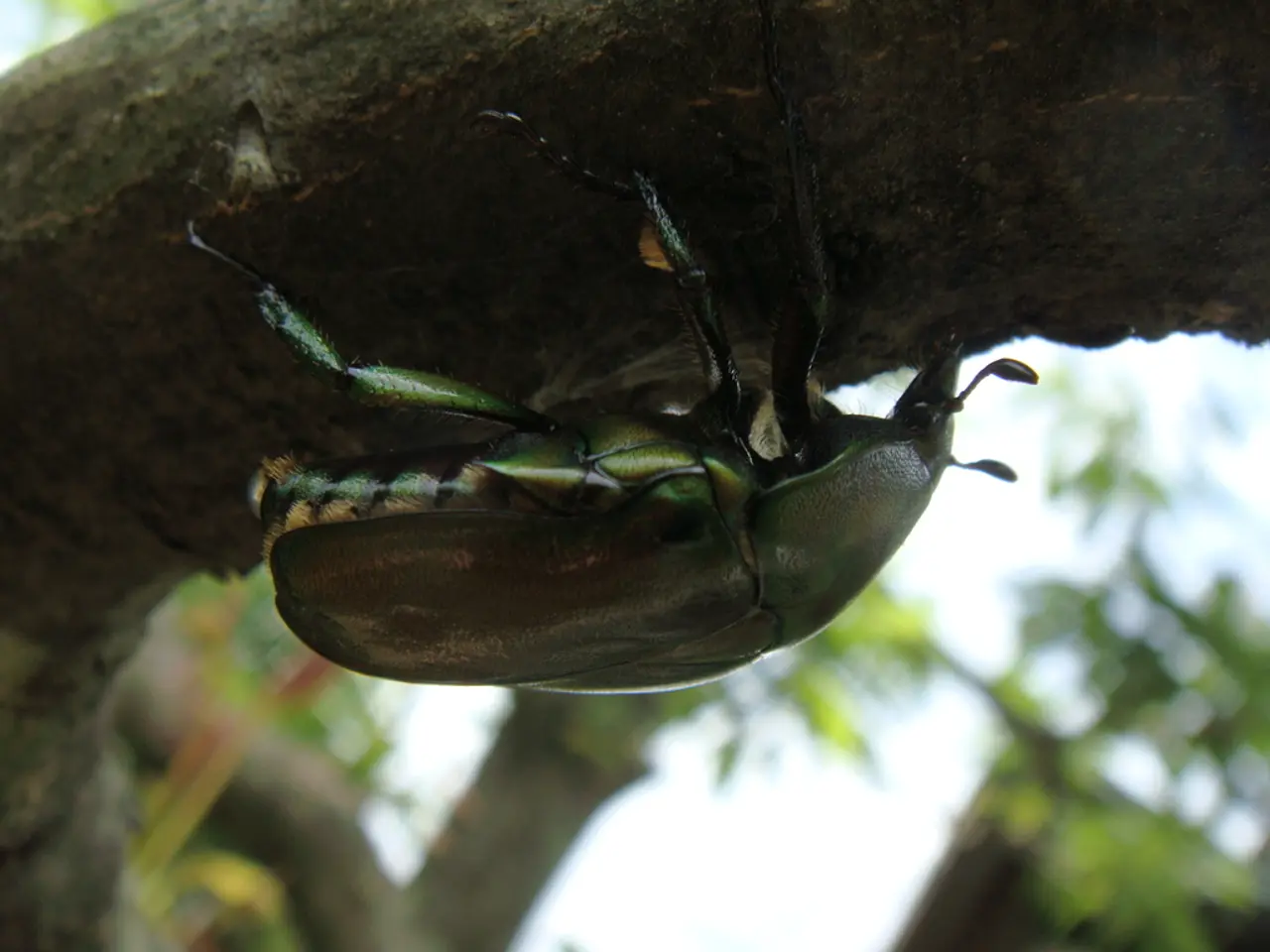
Soil Inhibitors: Allies or Adversaries?
In the world of gardening, it's essential to understand the balance between harmful and beneficial bugs in plant soil. These tiny creatures play crucial roles in maintaining a healthy garden, but their impact can vary significantly.
Springtails, for instance, are usually harmless and feed on decaying plant matter in moist soil. However, some bugs can wreak havoc on your plants. Soil-dwelling larvae of beetles like black weevils, for example, attack plant roots or seedlings, leading to stunted growth. Sugarcane Woolly Aphids and stink bugs feed on sap or foliage, causing visible damage. Black root rot-associated pests, while not directly feeding on plants, damage roots indirectly.
On the other hand, earthworms, mesostigmatid soil mites, and beneficial nematodes are beneficial bugs that contribute positively. Earthworms aerate soil and break down organic matter, enriching soil nutrients. Mesostigmatid soil mites prey on parasitic nematodes and other harmful microorganisms, while beneficial nematodes target specific harmful soil pests without harming others.
To deal with harmful bugs and support beneficial ones, accurate identification is key. Many black bugs look similar but have distinct roles. Natural methods such as interplanting pest-repelling plants (onion, garlic, chives) and promoting plant diversity can reduce pest attractiveness. Allowing some infested plants to act as "sacrificial" plants can attract and maintain beneficial predators like ladybugs and birds.
Encouraging beneficial organisms by enriching soil with organic matter and avoiding overuse of pesticides that harm soil biodiversity is also important. Beneficial nematodes can be introduced to specifically target certain soil pests without damaging beneficial species. Physical traps or natural predator introductions can be used where appropriate, but indiscriminate chemical use should be avoided to preserve beneficial bug populations.
Common harmful bugs include fungus gnats, root aphids, scale insects, root mealybugs, spider mites, thrips, and soil mites. Preventative measures include regularly checking for infestations, avoiding overwatering, providing good drainage, changing soil often, and washing plant pots.
When dealing with an infestation, methods include physical removal, washing the plant and soil, using insecticidal soap or horticultural oil, and repotting the plant with fresh soil. Neem oil, a natural pesticide, can be used to kill existing pests or as a preventive measure. Hydrogen peroxide can kill bugs and their larvae and also add oxygen to the soil to promote healthy root growth.
However, some methods like rubbing alcohol can damage plants if applied too liberally. It's always best to use these substances sparingly and with caution.
In summary, recognise harmful bugs by their damage and species traits, promote beneficial insects through habitat and soil health improvements, and manage pests with targeted, ecosystem-friendly approaches to maintain balanced, productive soil and plants.
[1] [Source] [2] [Source] [3] [Source] [4] [Source] [5] [Source]
- A balanced lifestyle involves understanding the differences between helpful and harmful creatures in gardening, like knowing that earthworms enrich soil while fungus gnats may infest it.
- In the realm of fashion-and-beauty, a balanced approach could involve choosing clothes that fit well and are both trendy and timeless, not unlike how beneficial nematodes target specific harmful soil pests while leaving beneficial species unaffected.
- Nurturing a healthy relationship with food-and-drink could mean consciously selecting organic imports, just like allowing some infested plants to attract and maintain beneficial predators like ladybugs and birds.
- Adopting a pet can also mean providing a safe and nurturing home-and-garden environment, much like ensuring beneficial bugs like earthworms can thrive by avoiding overuse of pesticides.
- In the world of education-and-self-development, one may seek knowledge about diverse subjects, such as the identification of harmful bugs in plant soil and the benefits of beneficial ones.
- Like traveling to different climates and cultures, becoming informed about various pests and their impact on plants broadens our understanding of weather patterns and their effects on soil ecosystems.