Spanish Heatwave in 2022 Led to More Adverse Effects on Individuals with Disabilities, Research Suggests
In the sweltering heat of the 2022 summer, a Human Rights Watch (HRW) report shone a spotlight on the plight of people with disabilities during the Andalusian heatwaves. The report, focusing on the experiences of 33 individuals in urban areas of Spain's southernmost region, highlighted the inaccessibility of crucial heatwave information and precautions for this vulnerable group.
The Andalusian Ministry of Health acknowledged the issue, admitting that important information about heatwaves and precautions had been inaccessible to the disabled community. However, the 2022 Andalusian Heatwave Action Plan identified disability as a "risk factor", but did not discuss specific steps to alleviate problems related to disability.
The HRW report suggested that governments should always include people with disabilities in conversations about public health. Organisations like Lebenshilfe and GEW Hessen have made proposals to improve the situation, emphasising equal participation, barrier-free access, and increased support for families and caregivers.
One such proposal is the adaptation of educational institutions to climate change, which indirectly benefits people with disabilities by improving infrastructure for extreme heat. Steps include offering protection measures in schools and kindergartens, adapting facilities to withstand heat, and training staff to handle heat-related health issues.
The efficacy of cooling centres depends on factors such as accessible infrastructure. To improve cooling centre accessibility, ramps, ample spaces for wheelchair users, handrails for people with mobility issues, and braille signs for the visually impaired should be implemented.
However, despite these pressing issues, the government has not been able to properly address the problems faced by people with disabilities. Andalusia's authorities claimed they had reached out to 12,000 people to assess their safety during the heatwaves, but HRW's interviewees reported none of them had been contacted by the authorities.
Many of the interviewed subjects reported negative effects on their physical health during the heatwaves, including brain fog, water retention, difficulty in breathing, low blood pressure, and loss of consciousness. Moreover, the mental health of people with disabilities was adversely affected due to feelings of loneliness and deprivation caused by staying home due to health concerns.
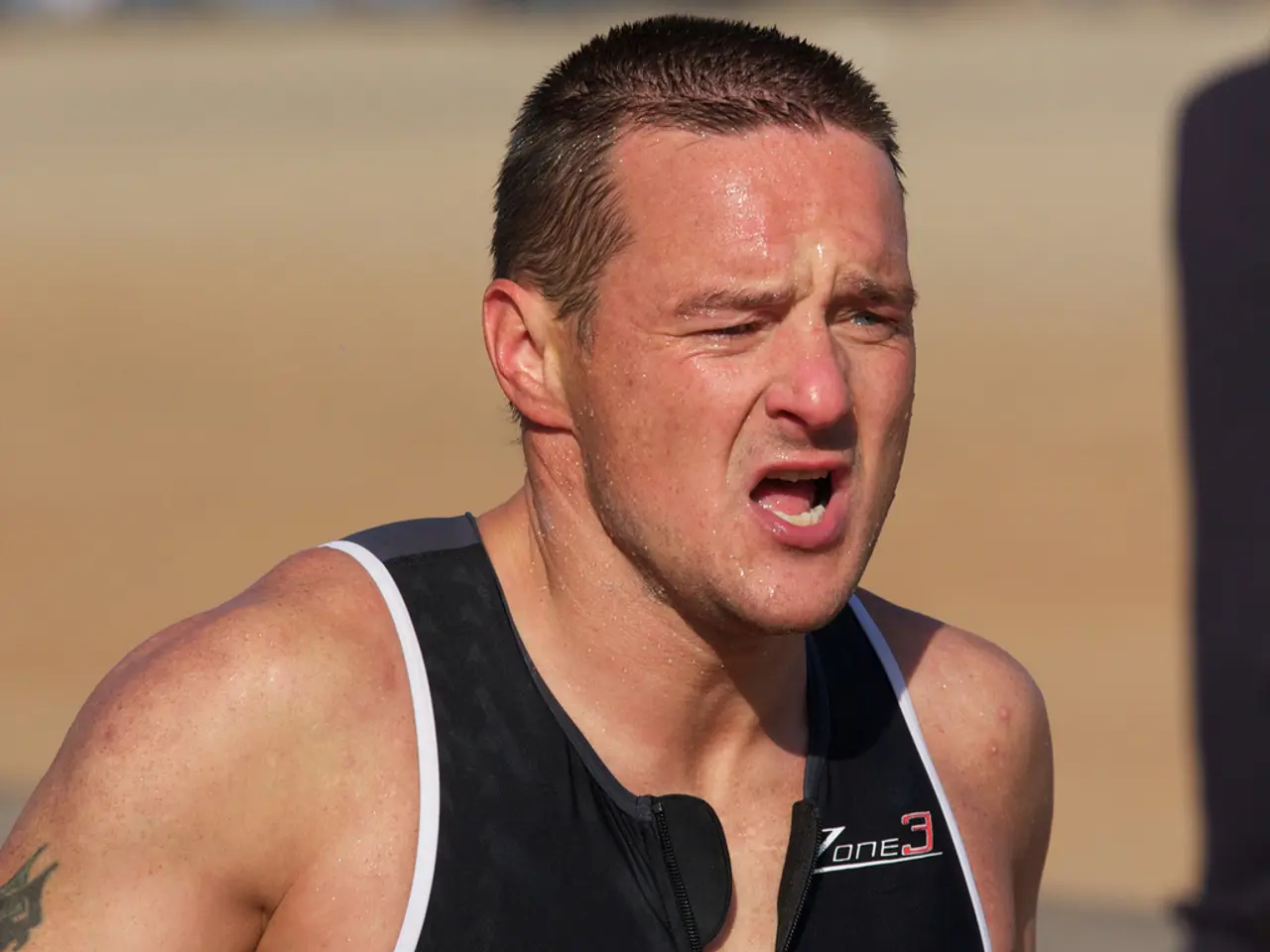
The issue is not confined to Andalusia. Europe's temperatures in 2022 were about 2.3C higher than the pre-industrial average, according to a 2023 World Meteorological Organization (WMO) report. This warming trend, twice as much as any other continent since the 1980s, has led to prolonged heatwaves and record-breaking temperatures across Europe.
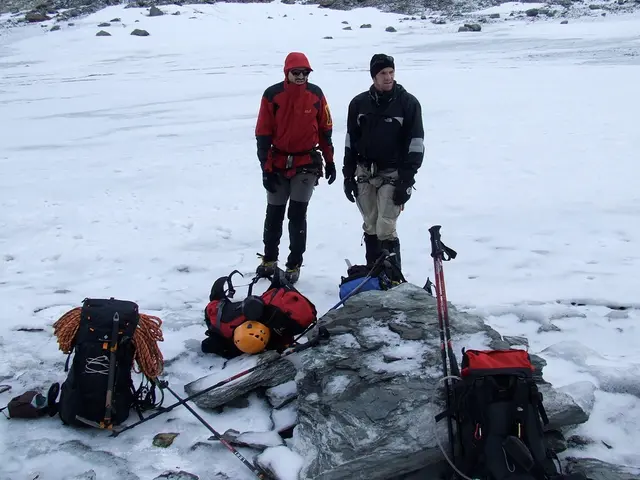
The loss of European glaciers, such as the 34-metre (111.5 feet) average fall in ice thickness in the Alps in 2022, is a stark reminder of the climate crisis's impact. Between 1997 and 2022, European glaciers lost about 880 cubic kilometres (211 cubic miles) of ice.
As the climate crisis intensifies, it is crucial that everyone, including people with disabilities, is included in heatwave precautions and public health conversations. The HRW report's findings potentially extend to Europe as a whole, making it imperative for governments to take proactive steps towards inclusivity and accessibility in their heatwave action plans.
Read also:
- Nightly sweat episodes linked to GERD: Crucial insights explained
- Antitussives: List of Examples, Functions, Adverse Reactions, and Additional Details
- Asthma Diagnosis: Exploring FeNO Tests and Related Treatments
- Unfortunate Financial Disarray for a Family from California After an Expensive Emergency Room Visit with Their Burned Infant