The Decline of the Planet Due to the Struggles in the Flower Sector
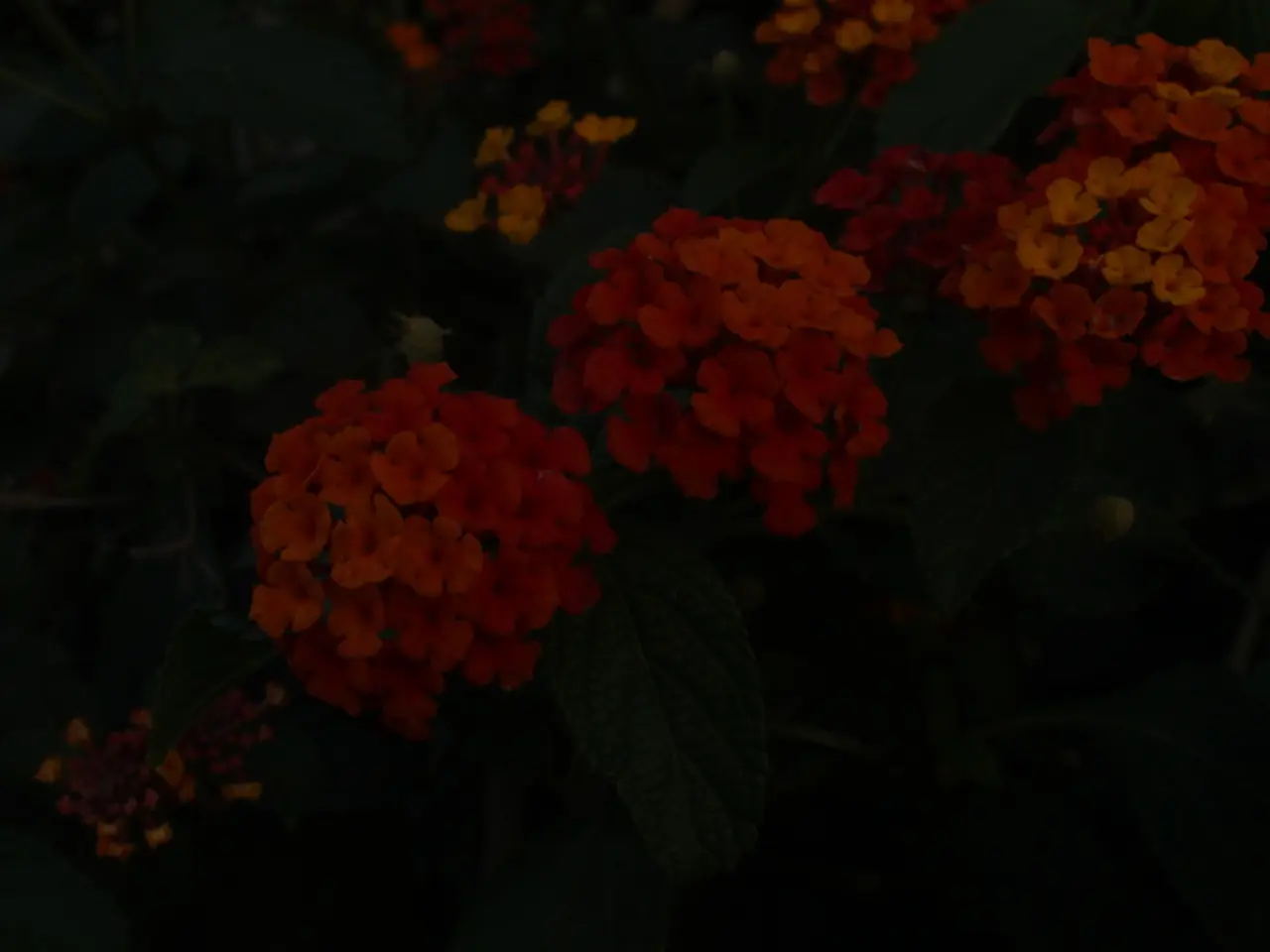
In the heart of South Africa, the Clanwilliam Wildflower Show shines a light on the importance of endemic species in our global ecosystem. This community event, attracting both local and international visitors, aims to educate and inspire action to protect our native plants and the wildlife that depends on them.
The Wild Seed Project, an organisation based in the Northeastern United States, shares a similar mission. Founded by Heather McCargo, the project aims to promote the use of native plants in gardens and landscapes to support local ecosystems and wildlife.
However, overdevelopment, deforestation, a changing climate, and the commercial flower industry all work to derail what is growing naturally and natively. The industrialization of the flower industry turns what is living into a commodity, foliage into an object to be possessed.
This is particularly evident on Valentine's Day, when the process of transporting roses alone produces around 9,000 metric tons of carbon dioxide emissions.
The focus on the appearance of plants in commercial nurseries, rather than their ecological resilience, can be detrimental to insect pollinators and birds. McCargo believes that this focus is akin to a "cruel trick" for these vital creatures.
As a result, a new generation of consumers is increasingly identifying as "plant parents," turning to for-profit stores for their plant and flower needs. However, this trend can have unintended consequences, as the mass production of plants in these stores can lead to desensitization from the processes involved in growing them.
In contrast, purchasing seeds instead of mature plants can help repopulate regions and create a beautiful landscape, while yielding higher results. This approach encourages biodiversity and supports the local ecosystem.
The eradication of native plants leaves the regions they're endemic to in a state of shock, confusion, and loss, as once-dependent species are forced to migrate or die off. There are nearly 10,000 endangered plant species compared to nearly 6,000 in the animal kingdom, highlighting the urgent need for action.
One plant that faces extinction is the African Lily. Sue Bergh, an organizer and board member of the Clanwilliam Wildflower Show, values the African Lily and believes its extinction would indicate a dire state of the world. The organisation in South Africa that replants the African Lily to prevent its extinction is the South African National Biodiversity Institute (SANBI).
Joining the Biome membership community can provide support for the work of organisations like the Wild Seed Project and SANBI, and receive a complimentary subscription to Atmos Magazine. Together, we can shift the mindset of the global flower industry to see plants as members of our community, rather than products.
The commercial florist industry is expected to grow by 1.8% to $6 billion by the end of 2022. However, it is crucial that this growth is sustainable and considerate of our planet and its native species. The Clanwilliam Wildflower Show hopes to highlight the importance of endemic species in our global ecosystem, so that we might all work together to save our native species, our plants, and each other.
Read also:
- Nightly sweat episodes linked to GERD: Crucial insights explained
- Antitussives: List of Examples, Functions, Adverse Reactions, and Additional Details
- Asthma Diagnosis: Exploring FeNO Tests and Related Treatments
- Unfortunate Financial Disarray for a Family from California After an Expensive Emergency Room Visit with Their Burned Infant