The Journey of Judaism, Christianity, and Islam: Their Inroads into India, Spanning from Jerusalem to Kerala
In the southwestern state of Kerala, India, the coastline has been a significant point of entry for spices, stories, ideas, and faiths for over 2,000 years. This rich cultural tapestry is beautifully woven with the presence of synagogues, churches, and mosques, each with a unique blend of local design and religious practices.
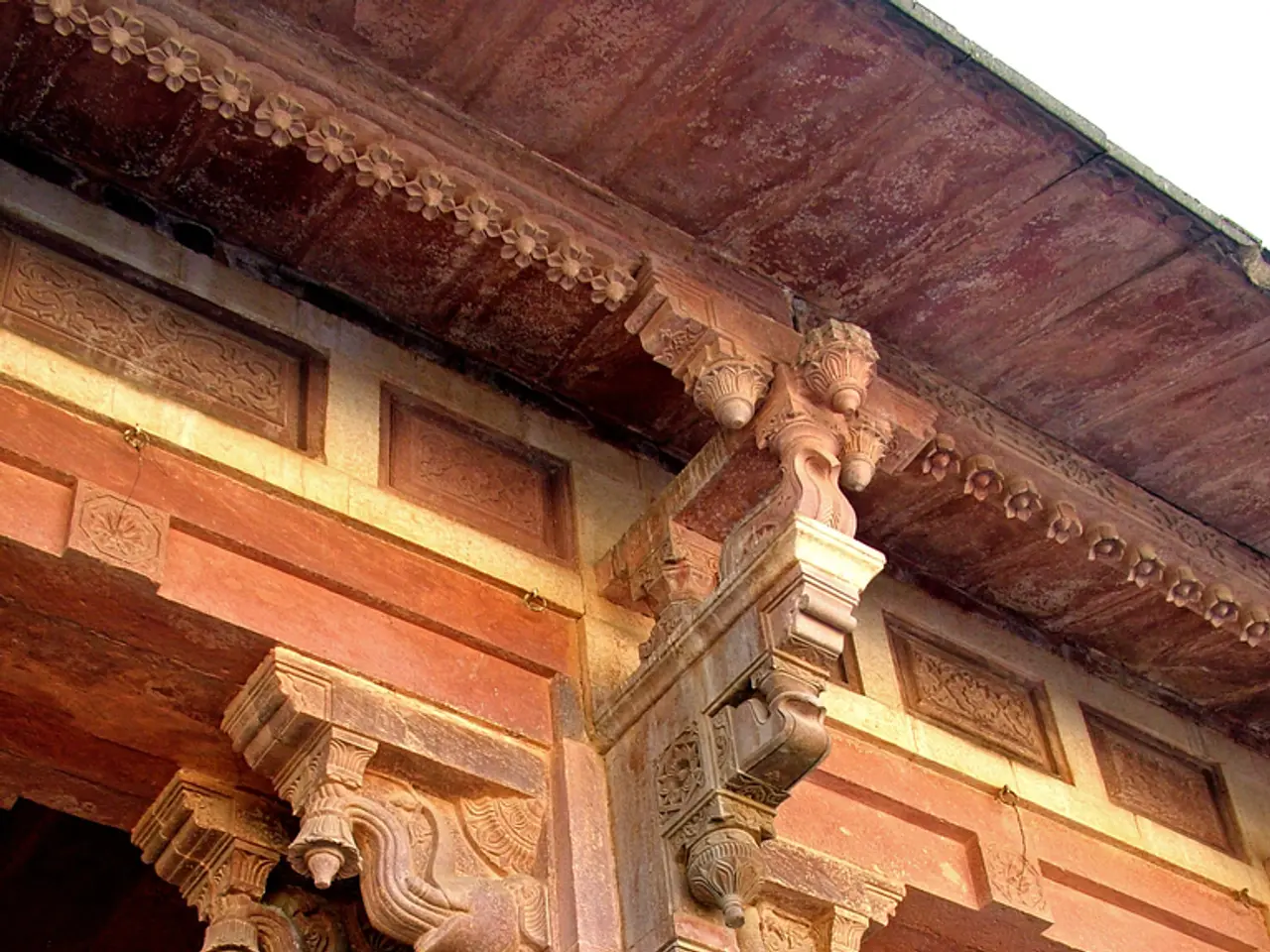
One of the most remarkable aspects of Kerala's religious landscape is its fluid boundaries, not fixed. This is evident in the architectural styles of these places of worship. Synagogues, for instance, used oil lamps like temples, while churches bore temple-style woodwork. Mosques, on the other hand, were built with Hindu craftsmanship, such as the Odathil Palli in Thalassery, which was constructed on land gifted by a local Nair family using traditional Hindu methods.
Chendamangalam, a small town in Kerala, stands out as an extraordinary example of religious diversity. Within walking distance, it houses the first Jewish synagogue, the first mosque outside Arabia, an ancient Syrian church, and a temple mentioned in Sangam literature. This harmonious coexistence of faiths is a testament to Kerala's acceptance and embracement of diverse cultures.
The Paradesi Synagogue in Kochi, built in 1568, is one of the oldest active synagogues in the Commonwealth. Located in the historic Jew Town district of Mattancherry, this synagogue is a symbol of Kerala's open-armed approach to faiths. The Kadavumbhagam Synagogue in Ernakulam, with its wooden ark facing Jerusalem, framed by ornate oil lamps, is another such example.
Islam's arrival in Kerala was not through conquest but through trade. The Cheraman Juma Masjid in Kodungallur, built in 629 CE, is India's first mosque. The Malik Deenar Mosque in Kasaragod is a symbol of Islam's peaceful arrival, standing tall as a testament to the tolerance and acceptance that characterized Kerala's approach to faiths.
Kerala's mosques, like the Mishkal Mosque in Kozhikode, built by an Arab merchant in the 14th century, were built with local craftsmanship, featuring sloping tiled roofs. The grand St. George Basilica in Angamaly, dating back to 450 CE, is another example of this harmonious blend. Its murals feature apostles in dhotis and angels with Indian instruments, reflecting the cultural exchange that took place within these religious spaces.
Christianity took root in Kerala long before it spread widely in Europe. Palayoor is home to one of India's oldest churches, dating back to around 52 CE, where St. Thomas, one of Jesus' disciples, is said to have baptised early converts.
These religious institutions in Kerala were not just places of worship but hubs of trade, learning, and cultural exchange. The Ponnani Juma Masjid served as a centre for Islamic learning, while synagogues, churches, and mosques provided a platform for various communities to engage, learn, and grow together.
In Parur, a beautifully restored bimah (a raised platform in the synagogue) made of teakwood stands as a testament to a once-thriving community. This harmonious coexistence of faiths, trade, and learning is a unique aspect of Kerala's history, making it a beacon of religious harmony in a world often divided by faith.
Read also:
- Fitbit Versa 4 Experiences Continuous Price Drops on Amazon
- Asthma Diagnosis: Exploring FeNO Tests and Related Treatments
- Impact, Prevention, and Aid for Psoriatic Arthritis During Flu Season
- Proposal sought by the Commission for a new directive on safeguarding laborers from radiation related hazards due to ionizing radiation exposure.